
Ways of Engaging with art spaces
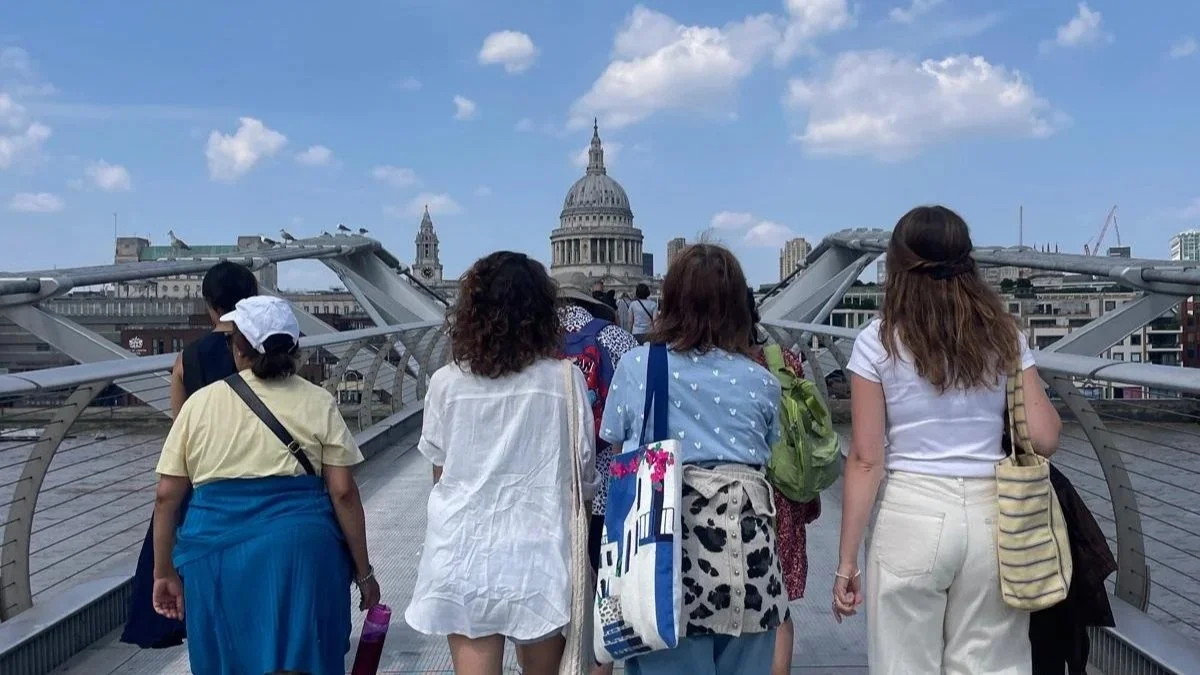
Sometimes, when people plan to go to an art museum or gallery, a sense of apprehension forms around meeting expectations about how one must behave in the space and how to engage with the art. It is common to wonder if we’re interpreting the artworks ‘correctly’, if we’re moving through the space in an ‘acceptable’ way, and if we ‘fit in’ to those art-spaces.
Artbox has been to the Tate Modern and the Royal Academy recently - two of the most well known art spaces in London. During these two visits we’ve observed Artbox Artists step into these spaces confidently and comfortably, and we’ve noticed all the different ways of engaging with art that came naturally to them.
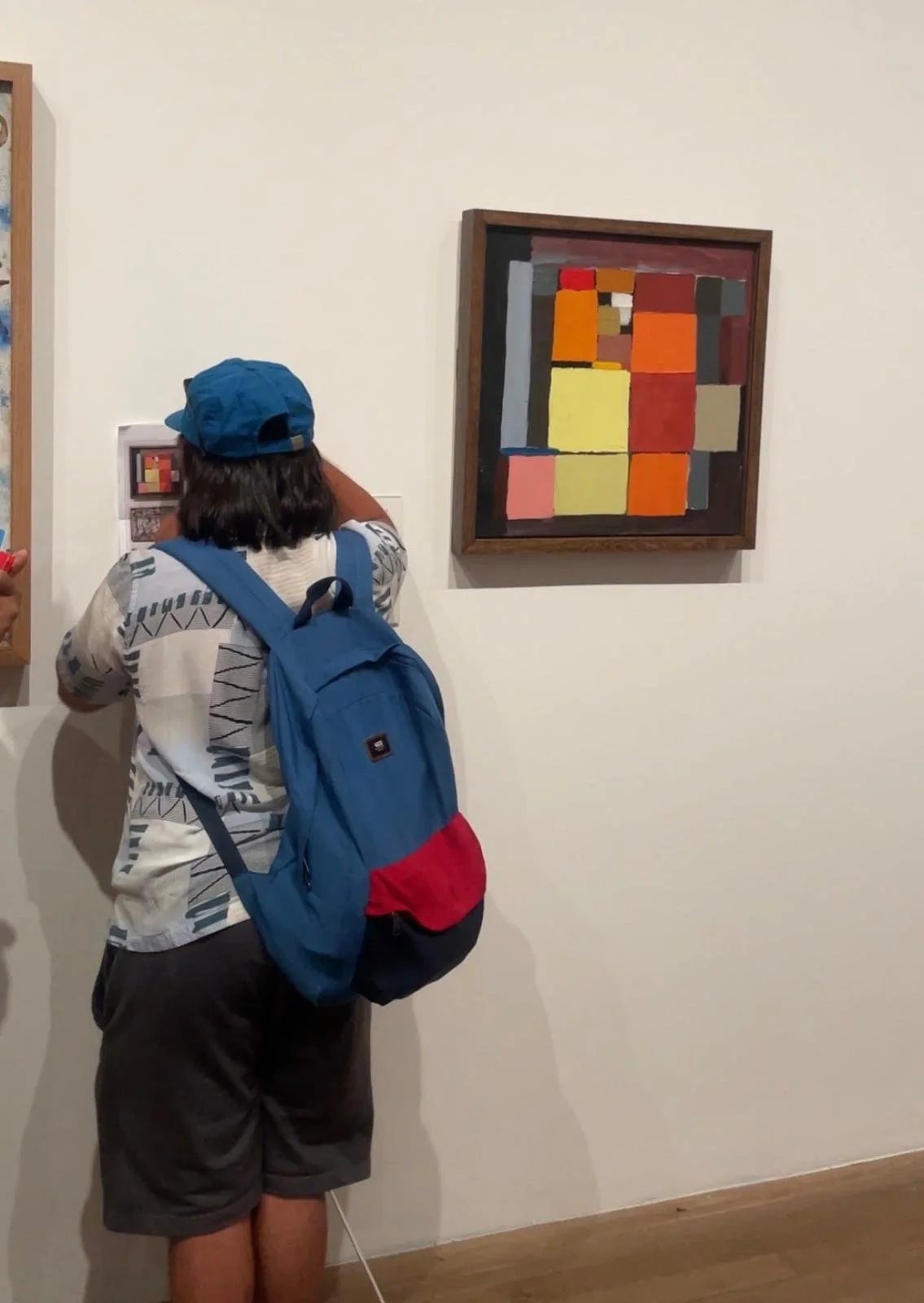
For one visit, we printed out some images of the artworks that we’d see in the exhibition, leaving an empty box next to each image as a suggestion to write, sketch, or make marks as a response to seeing the artwork. We didn’t provide any instructions, just pencils and plenty of time to engage with the exhibition. Some artists immediately started taking notes, standing in front of the artwork, leaning on the empty walls next to paintings, even sitting on the floor in front of the works. Other artists sketched elements of the pieces they liked, while others drew smiley faces to represent how they felt about each piece. Everyone had their own way of expressing their thoughts and interest in each artwork, and they all showed pride at having something to say about the exhibition. Then, we wandered into another room that had benches - something everyone covets during a museum visit - and artists took the opportunity to sit in front of artworks and sketch in more detail, to rest, or to look around from their seat.
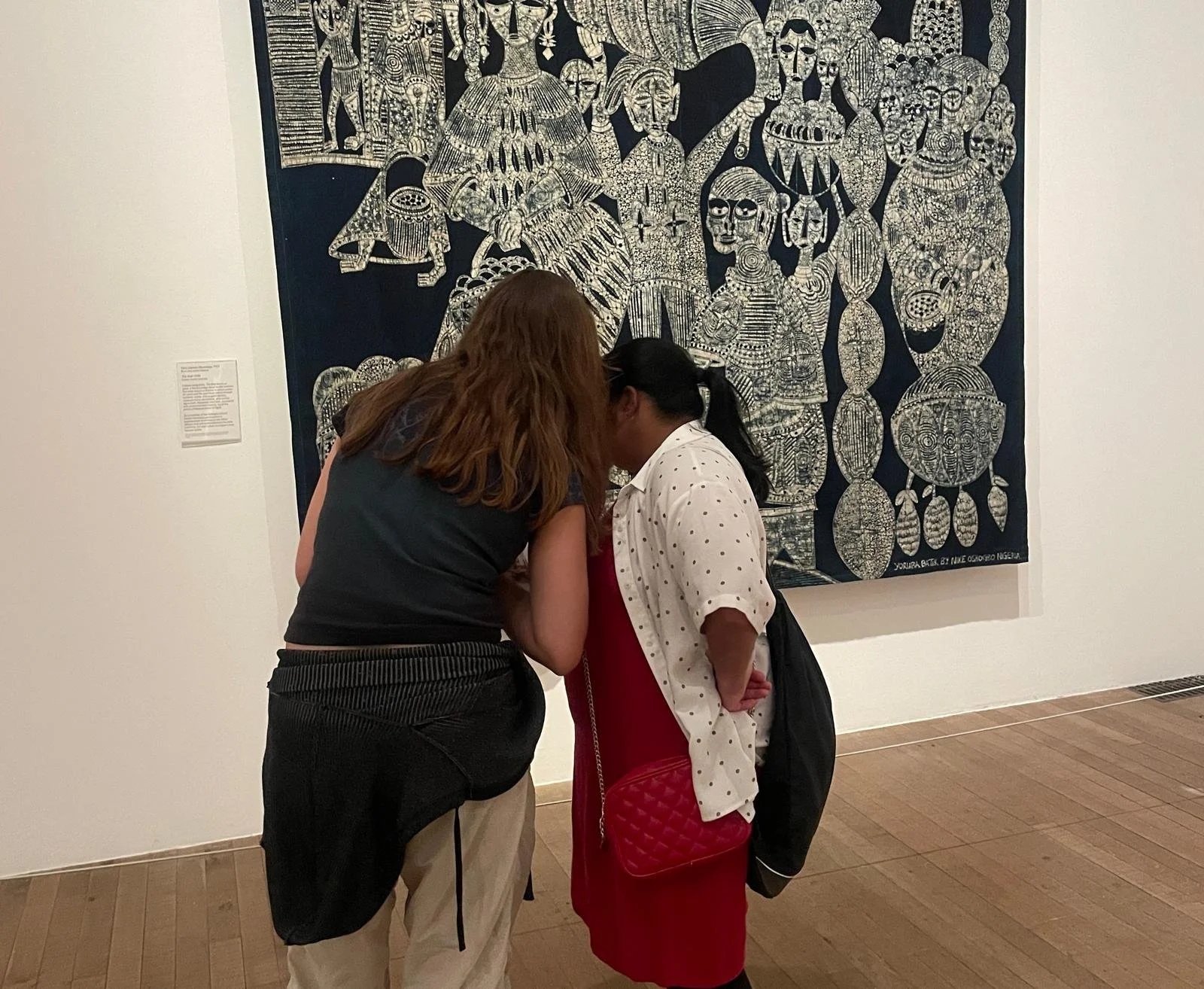
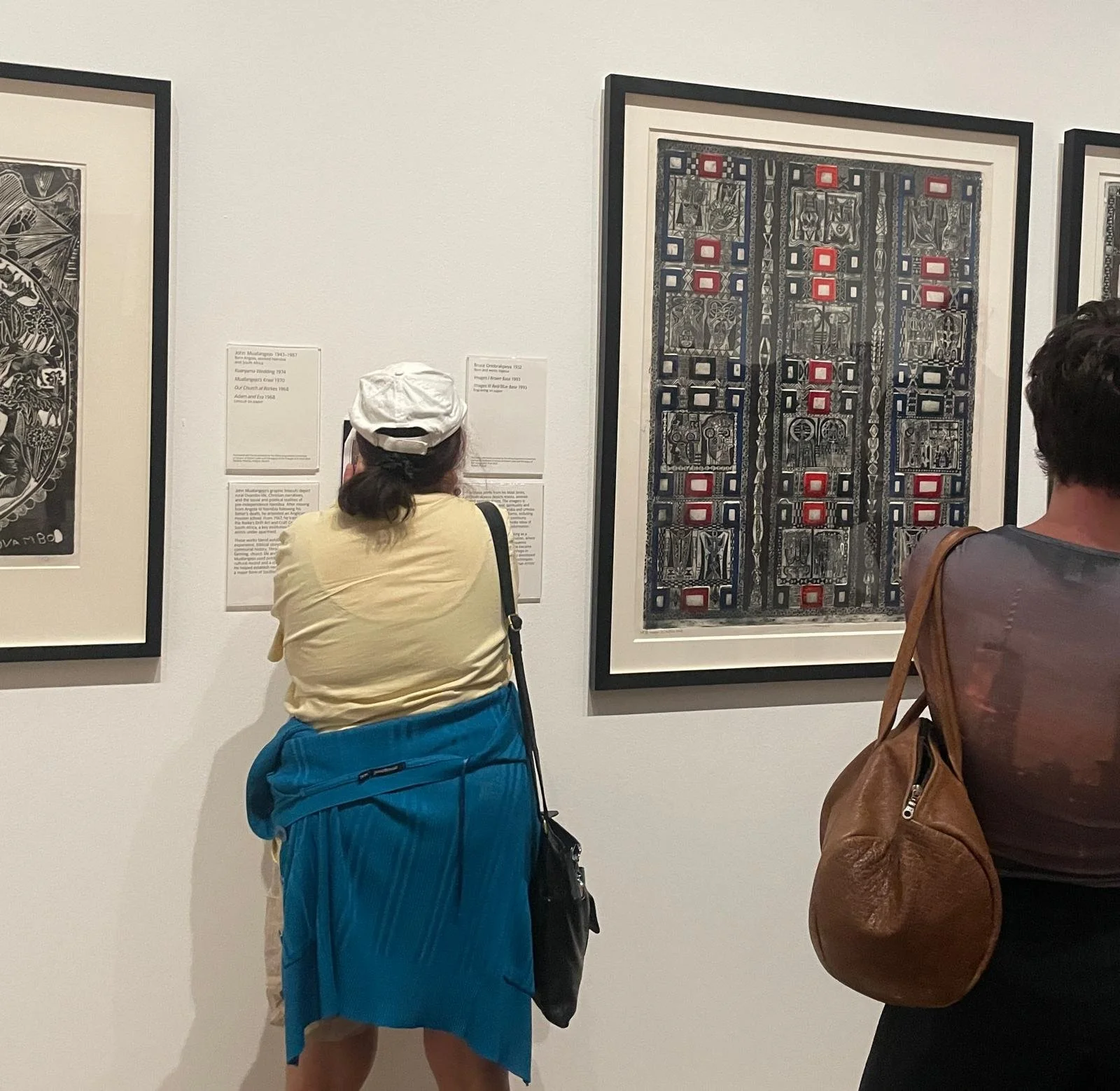
For the other visit, we did not print anything in advance, instead, we paired up with Artbox Artists and accompanied them through the rooms at their own pace, following them to the pieces that caught their attention, pointing out works that related to their practice, and chatting about what we saw. This more relaxed approach to engaging with an exhibition was more fitting for the crowded exhibition space and busy gallery walls. Some artists seemed to pick a theme and worked their way through the rooms looking for works that fit that theme. Flowers, portraits, landscapes or pattern driven abstracts were among some of the themes we noticed. We also observed a refreshing authenticity when it came to reacting to artworks made by ‘famous’ artists. Their responses to the artworks were unaffected by what the highbrow art world deemed ‘good art’, rather, their responses wholly came from within, and there was no fear of having a ‘wrong’ reaction (there is no such thing anyways).
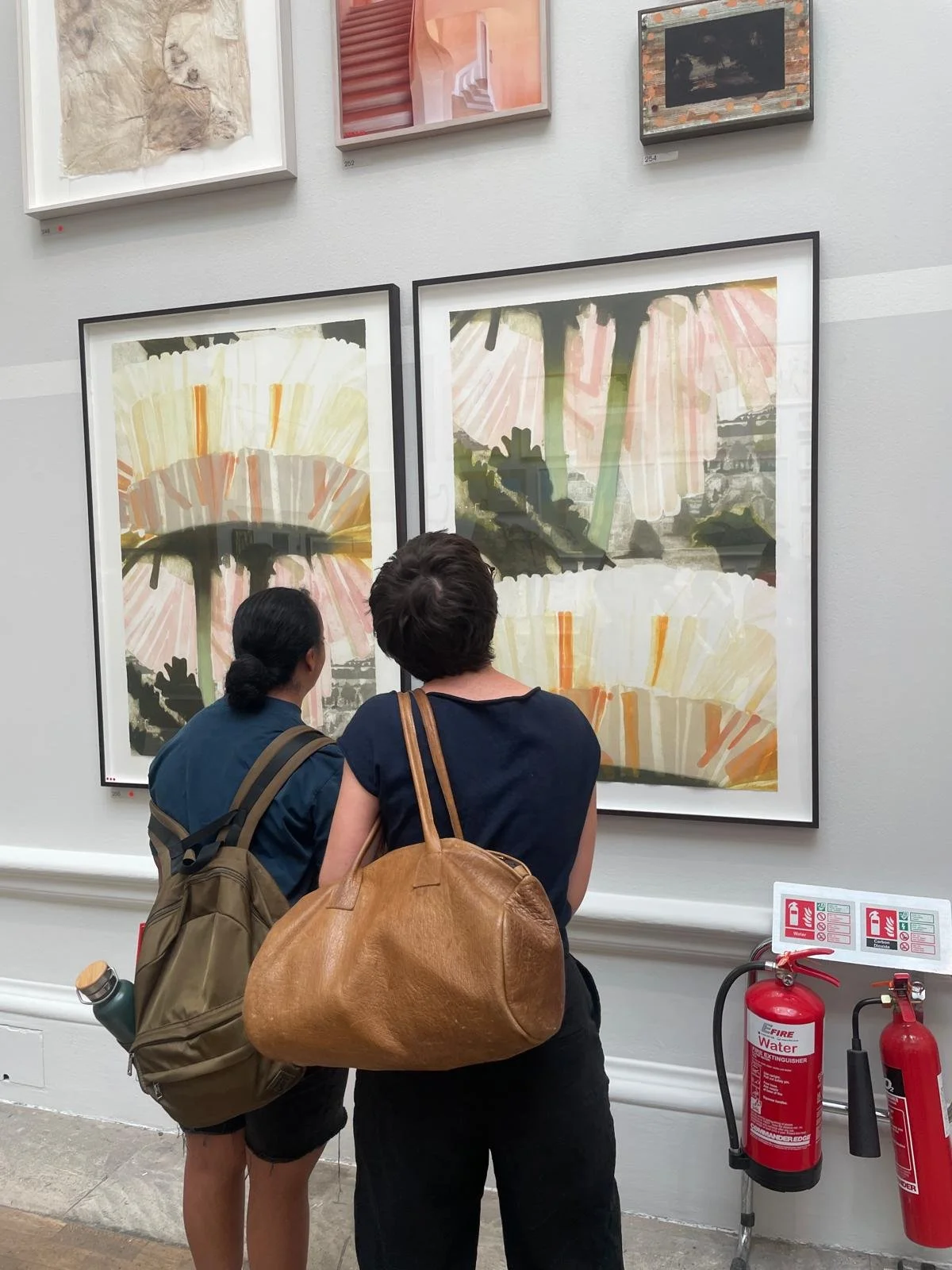
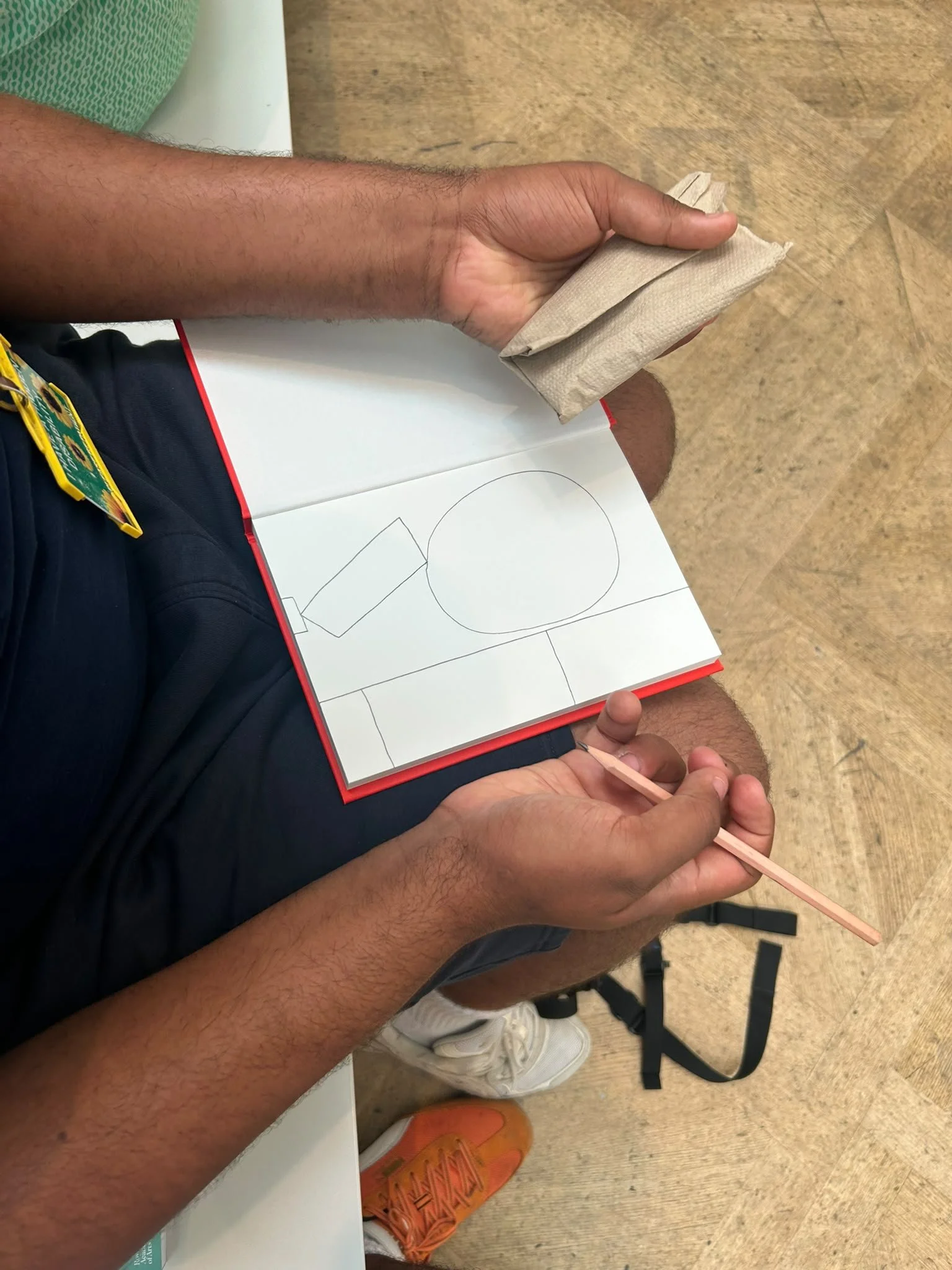
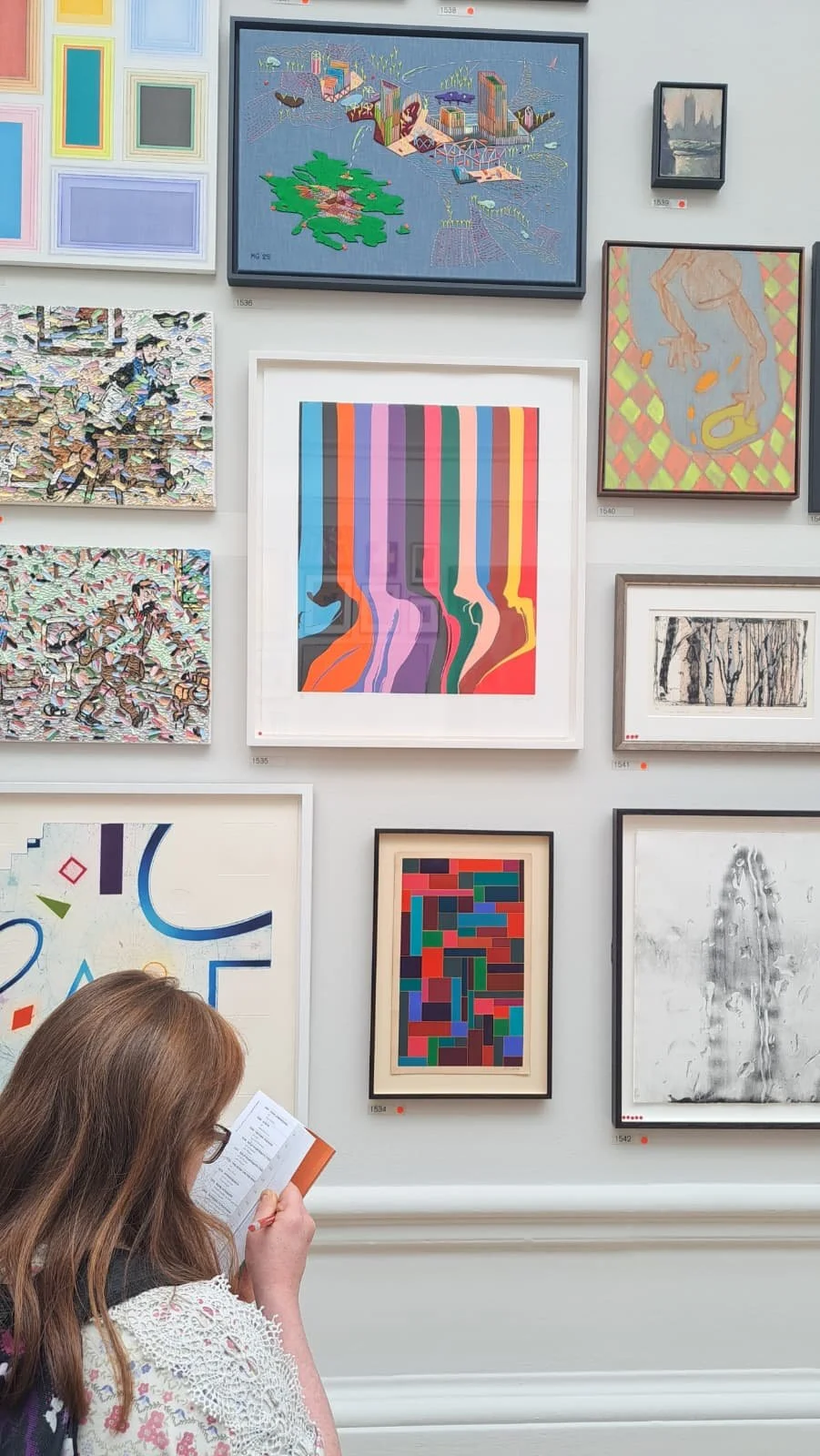
Participating in cultural events and accessing art spaces benefits everyone, and there isn’t just one right way of inhabiting those spaces and engaging with the artworks. The more diverse art you see and the more varied ways you engage with the arts, the more benefits it can have.
