Access to culture and creative experiences
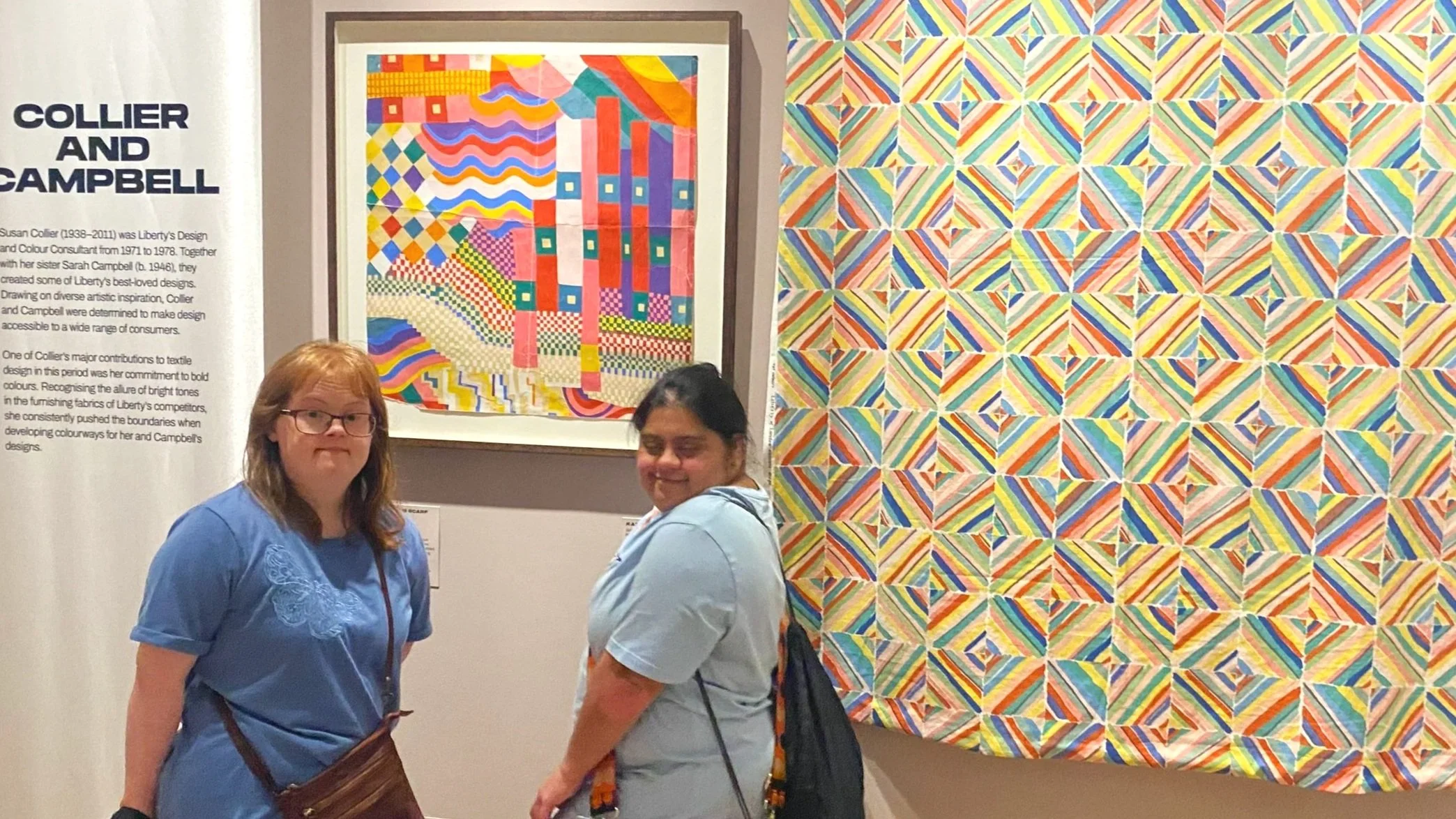
Lucy and Shruti at the Women in Print exhibition in the William Morris Gallery
London was just named the world’s best city for Culture in Timeout’s 2026 Ranking, “thanks to its free world-class museums, evolving cultural spaces and a standout year-round cultural programme.”
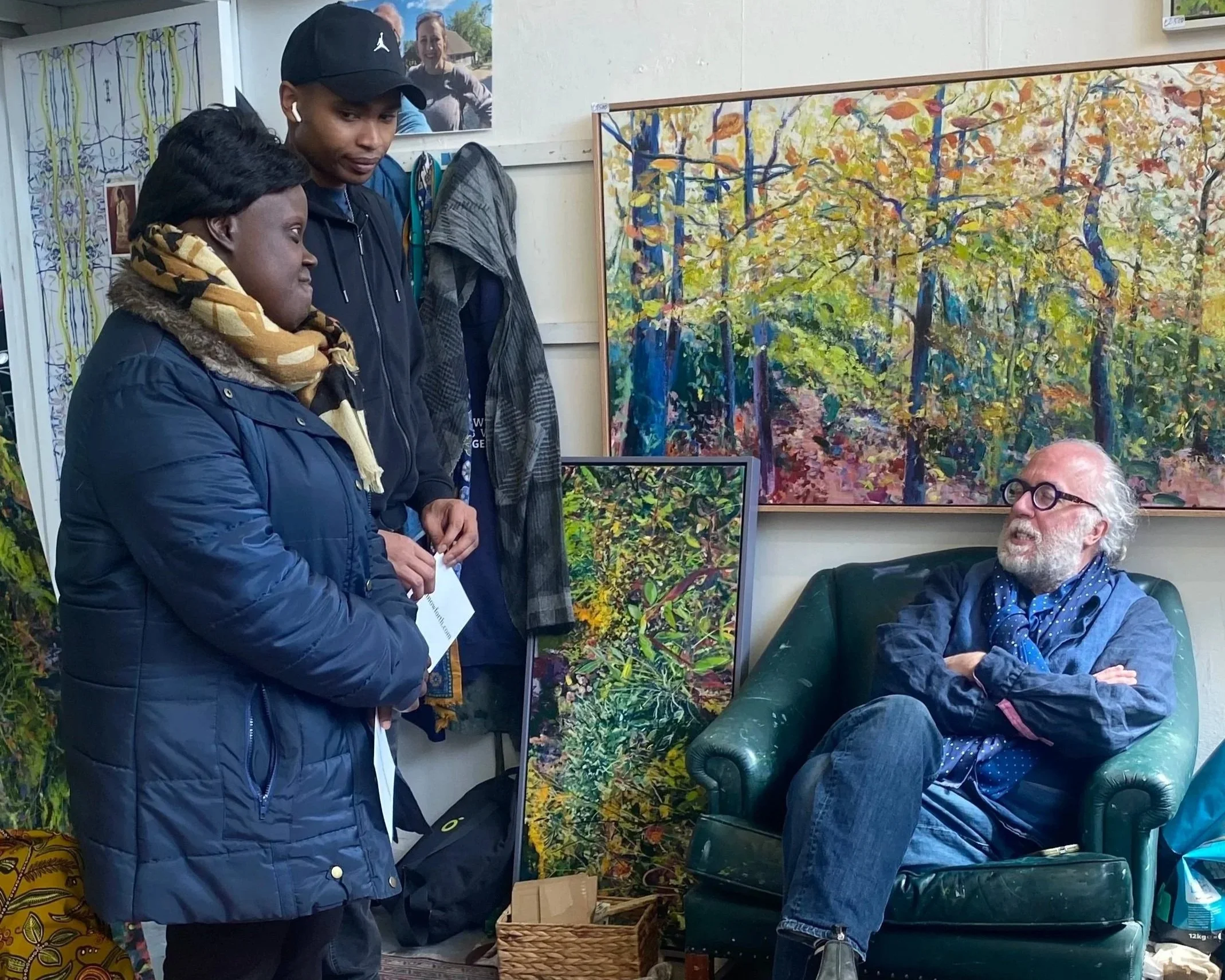
Hisba and Jamal visiting an artist’s studio.
But how can we ensure our artists make the most of the amazing city we live in?
Trips are an important part of practice at Artbox.
They provide access to London’s rich cultural life - something that may not be easily accessible to many of our artists without support. Visiting exhibitions, galleries, and public spaces widens creative reference points and supports inspiration.
Those experiences feed directly back into the studio, influencing the materials artists choose, the ideas they explore and the work they go on to make.
Over time, trips can also build confidence using public transport, navigating unfamiliar places and accessing London's cultural life independently. The nature of trips also creates different social opportunities. Away from the focus of artmaking, artists often have more incidental moments for interaction - waiting for transport, travelling together, or spending time in shared environments. These moments can support conversation and the development of friendships in ways that feel natural and unpressured.
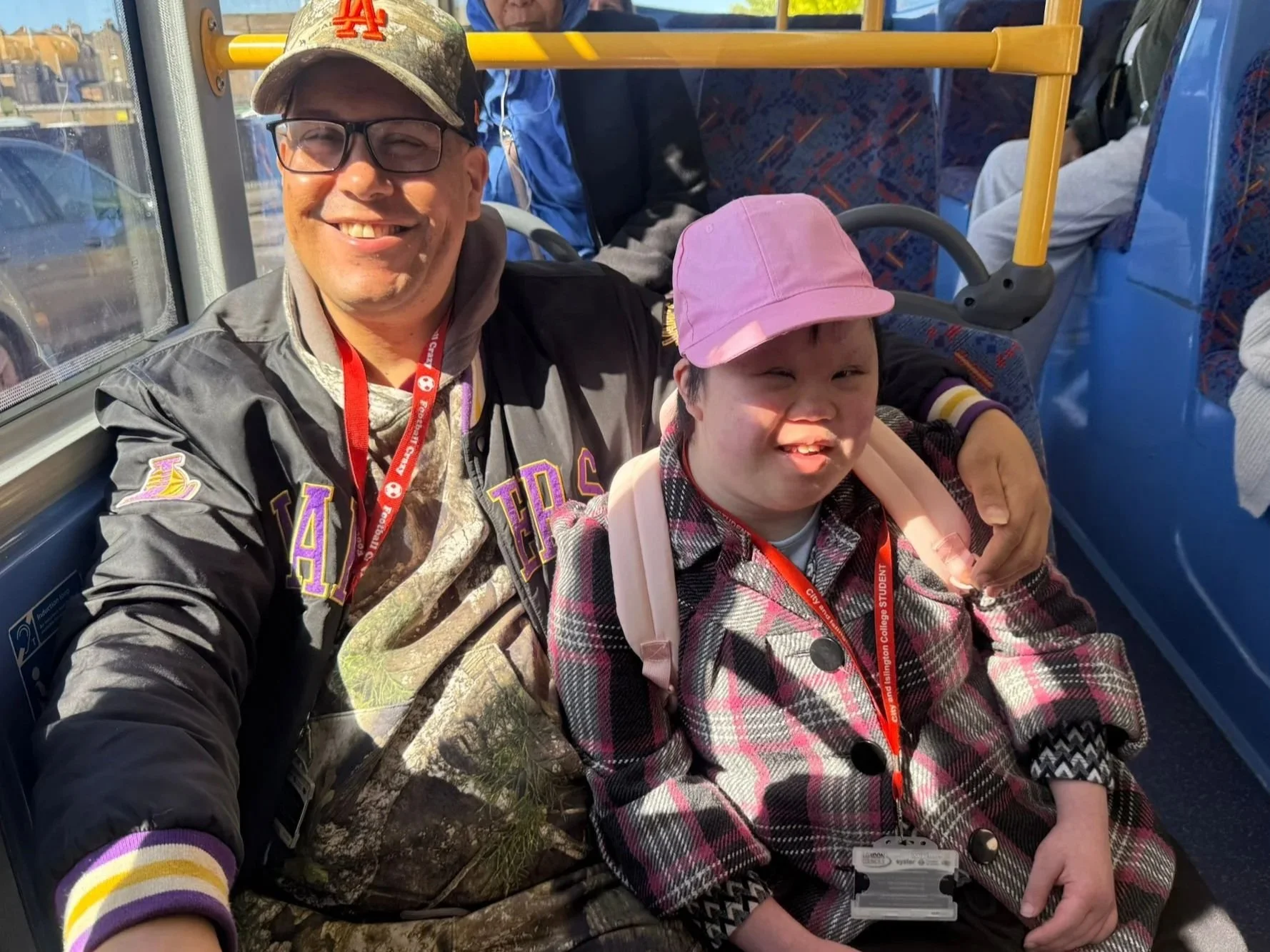
Movement is also an important aspect of trips. Walking, being outdoors, and changes in environment can support wellbeing, regulation, and energy levels. Building movement into the day contributes to physical and mental wellbeing, and is especially important given the health inequalities many learning disabled and autistic people experience.
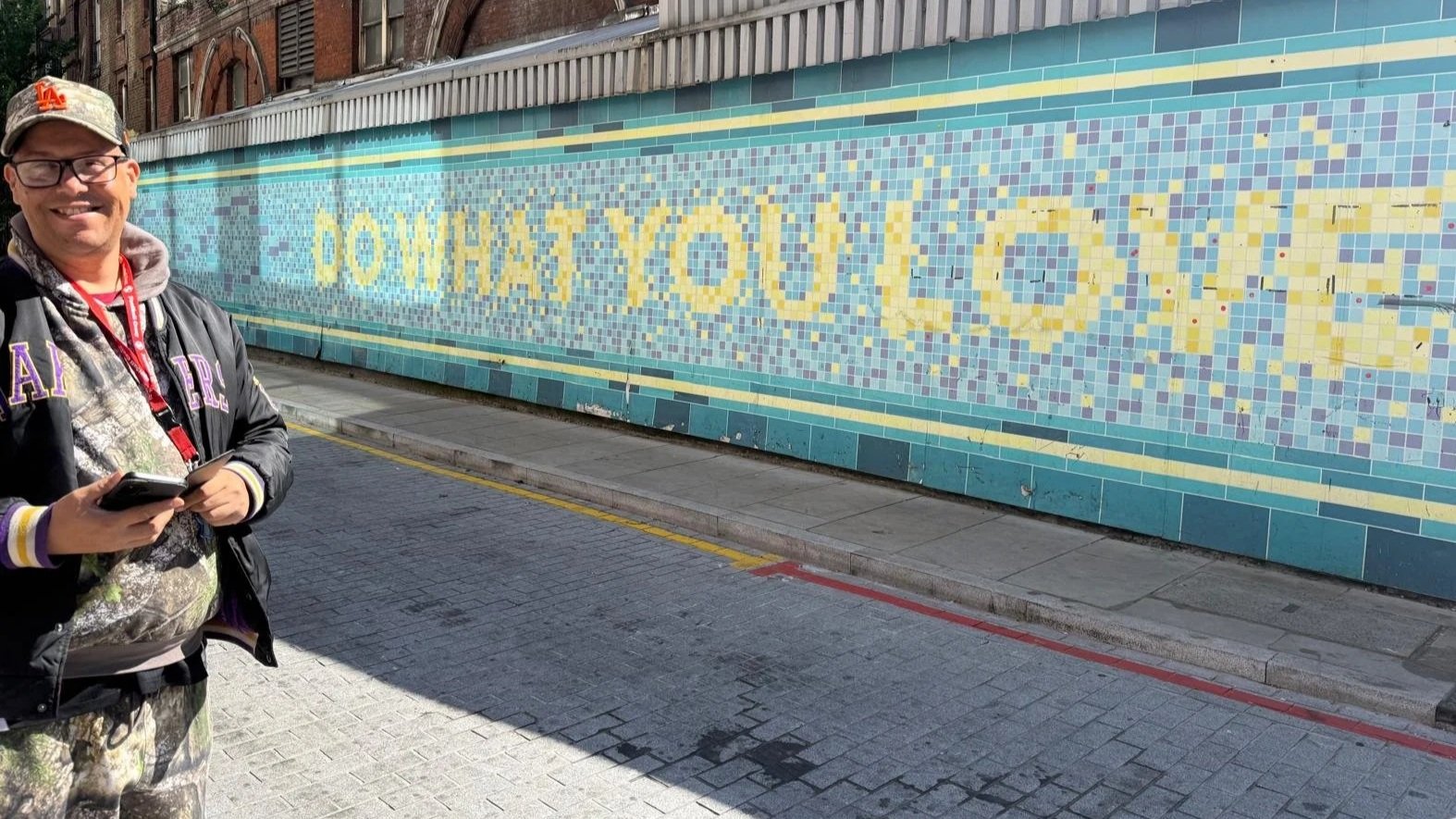
Inspiration, social opportunities, participation in public life and increased confidence are only some of the reasons why trips are an essential part of our creative programme at Artbox. Increasing accessibility in art spaces is beneficial to society as a whole, as everyone can benefit from increased diversity, inclusion, and engagement with the arts.